2026-09-10 · Dave Thompson
Storm Debris Removal Steps After Heavy Rains in Jackson Parish
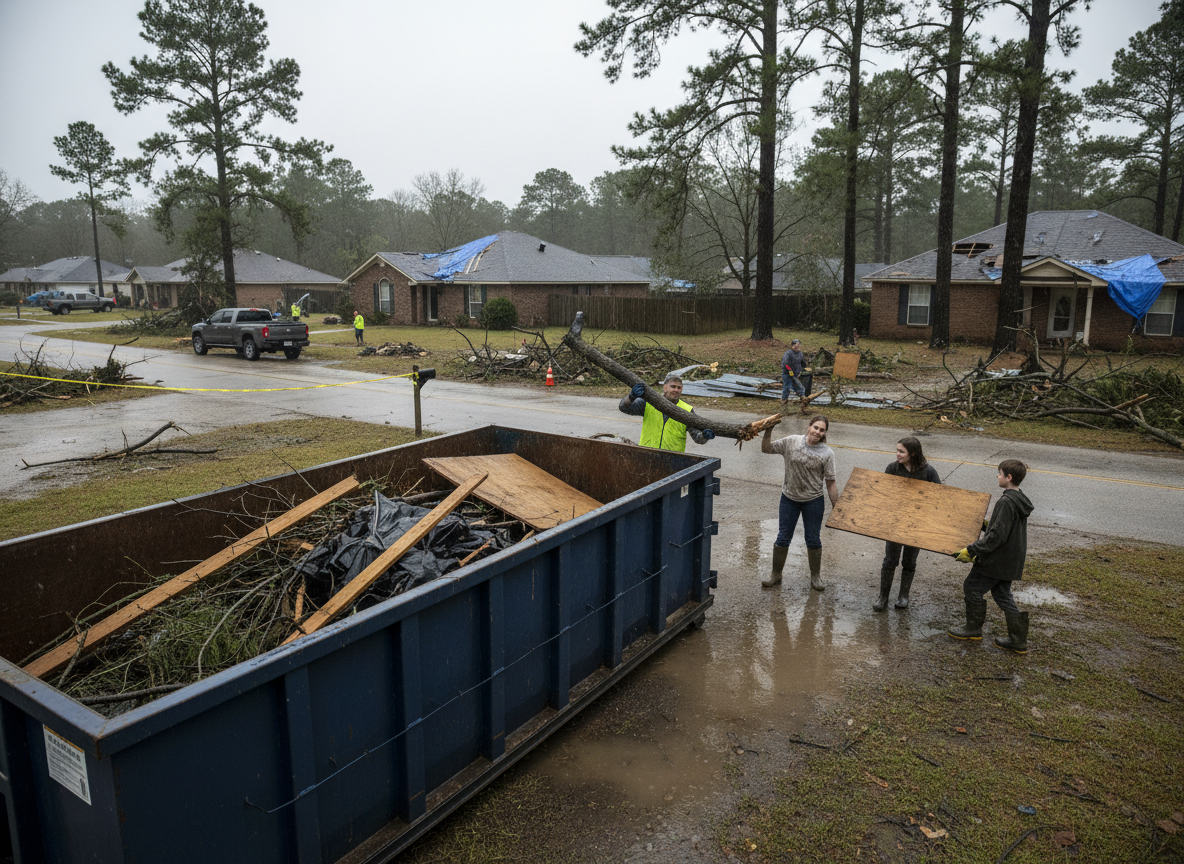
After heavy rains hit Jackson Parish, begin debris removal by walking the property in Hodge or surrounding spots like North Hodge to identify saturated soil zones, downed limbs, and flooded drainage areas. Focus first on hazards near driveways and walkways where water pools due to the region's high humidity and flat terrain. Document everything with photos before moving items, since mild winters here often allow debris to linger and attract pests if left unchecked.
Surveying Storm Damage on Hodge Properties
Start at the edges of your lot and move inward, noting how hot summer downpours turn clay-heavy soils in Jackson Parish into slippery surfaces that complicate hauling. Check rooflines and gutters for clogged leaves that wash down during storms, and mark any spots where water has undermined fences or outbuildings. In older neighborhoods around Hodge, homes built before modern grading often see debris collect in low spots that hold moisture longer than surrounding ground. This survey prevents repeated trips later and shows exactly what volume needs handling. Pay attention to tree lines near local roads, where wind-driven rain frequently drops large limbs that block access for equipment.
Sorting Debris by Type and Weight
Separate organic yard waste such as leaves and small branches from heavier items like broken fencing or roofing scraps, because mixed loads increase handling time on humid days when materials stay damp. Place lighter yard waste in one pile and construction debris in another to stay within typical roll-off weight guidelines. Jackson Parish properties near Jonesboro often generate extra soil and gravel after rains erode driveways, so isolate that material early. Use tarps to cover sorted piles overnight, since high humidity can cause mold growth within 48 hours. This step keeps the job manageable and avoids extra fees when loads reach the landfill.
Selecting and Positioning a Dumpster
Choose a 10- or 15-yard roll-off for most residential storm jobs in Hodge, since these sizes fit narrow driveways common in Jackson Parish without damaging lawns already softened by rain. Position the unit on a stable surface like gravel or plywood sheets to prevent sinking in wet soil. Keep the container at least 10 feet from any standing water to maintain safe access for the delivery truck. Homeowners in nearby areas such as East Hodge often schedule drop-offs for early morning when ground is firmer. Always confirm the hauler can service the exact spot before final placement.
Loading and Hauling Steps
Load heavier items first at the bottom, then top with lighter yard waste to maximize space and stay under weight limits. Break long branches into 4-foot sections so they fit flat and reduce shifting during transport. In Jackson Parish's humid subtropical conditions, work in short sessions to avoid heat exhaustion during summer storms. Once full, cover the load with a tarp and call for pickup within the rental window. For properties near Ruston or Quitman that generate extra volume, a second small dumpster often proves more efficient than overloading one unit.
Final Cleanup and Prevention
After the dumpster leaves, rake remaining small debris and spread gravel over soft spots to improve drainage before the next rain. Inspect gutters and downspouts again, clearing any leftover mud that could cause future backups. Homeowners in Hodge who follow these steps reduce repeat issues during the mild winter months when storms still occur. Track rainfall totals locally so you can prepare extra capacity ahead of forecasted events. Consistent habits like these keep Jackson Parish properties safer year-round.